PATHS is an interdisciplinary architecture practice that approaches architecture through research-led experimentation, developing context-responsive and carefully considered spatial outcomes.
The studio operates through critical inquiry and iterative design, allowing ideas to evolve through testing, dialogue, and refinement.

PATHS: Office of Architectural Experiments is an interdisciplinary architecture practice grounded in research and driven by experimentation.

"The studio operates through critical inquiry and iterative design — allowing ideas to evolve through testing, dialogue, and refinement."
The practice approaches architecture as a structured and investigative process, where design decisions are informed by careful study of context, program, and use. Each project begins with research that establishes a clear framework, allowing ideas to be tested, evaluated, and refined through iterative design.
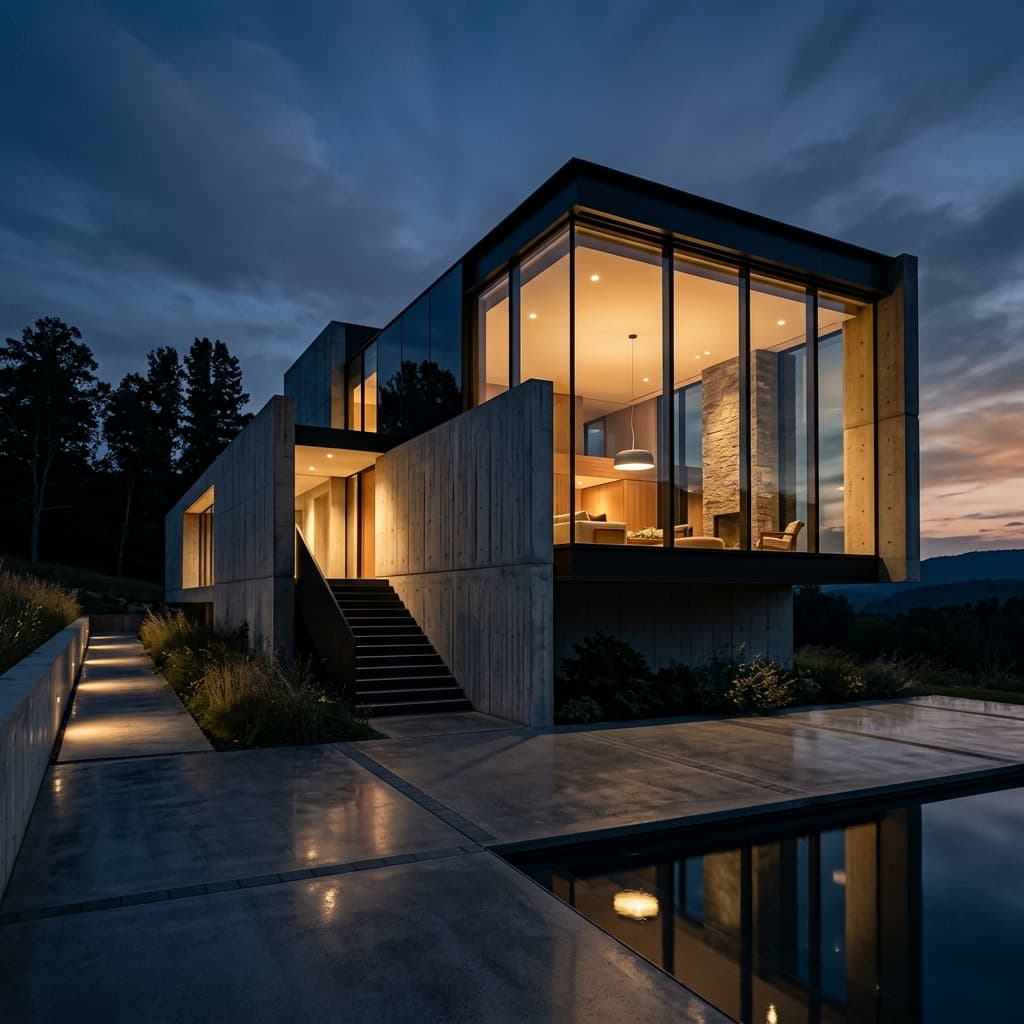
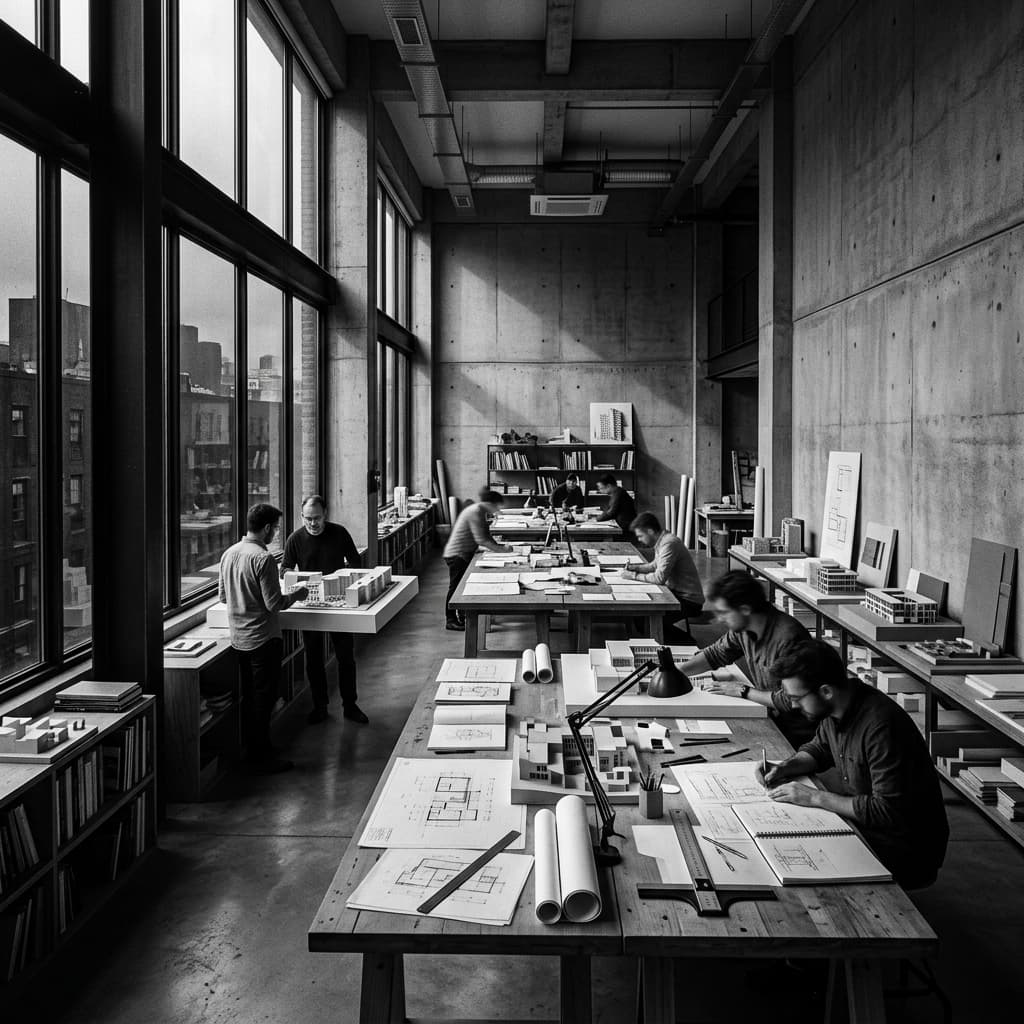
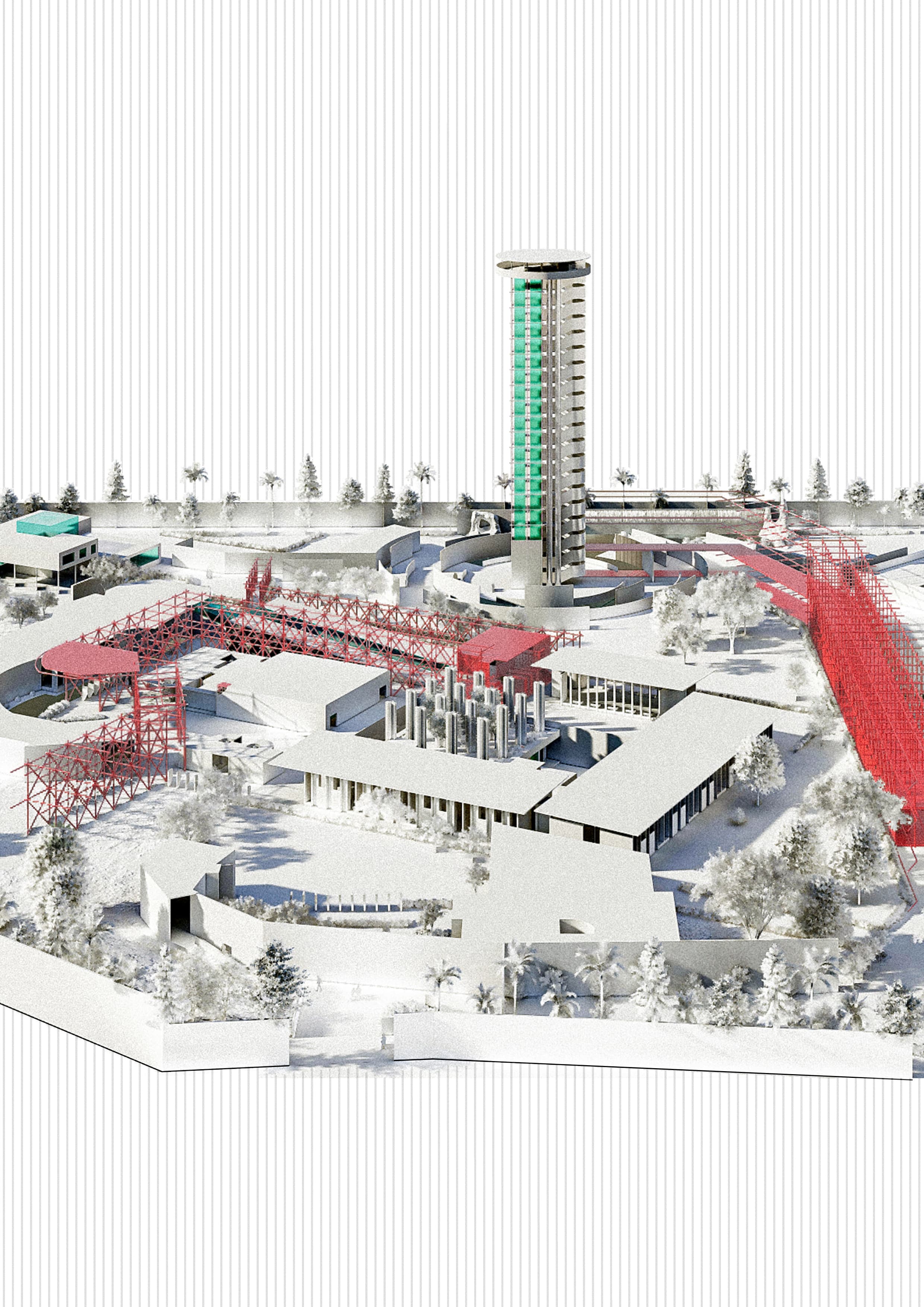
Working across residential, commercial, and urban scales, PATHS approaches every brief as an opportunity to test ideas, examine relationships, and craft spatial narratives. Drawings, models, and visual studies are employed as analytical tools to explore spatial relationships, material strategies, and functional clarity.
Experimentation at PATHS is not pursued as a stylistic agenda, but as a method to arrive at precise and well-considered outcomes. The aim is to produce architecture that is responsive to its environment, grounded in real constraints, and capable of accommodating change over time.
The practice values clear communication and collaborative engagement, ensuring that clients and collaborators are involved throughout the design process. Through a research-led approach, PATHS seeks to deliver architecture that is thoughtful, durable, and context ally grounded.
At PATHS, architecture is guided by intention rather than image. Each project is approached with a clear position on its purpose, context, and relevance.
Intent is shaped through conversation, observation, and critical reading of the brief and its surroundings. This allows the work to respond not only to functional requirements, but also to cultural, spatial, and environmental conditions. Intention remains present throughout the project, continuously informing decisions as the design evolves.
Research is integral to how PATHS operates as a studio. It is not treated as a preliminary phase, but as an ongoing method of inquiry that informs design thinking.
Through the study of site, climate, regulations, material systems, and precedents, research establishes the parameters within which experimentation occurs. Analytical drawings, diagrams, and models are used to test ideas, question assumptions, and refine spatial strategies. Research and design remain in constant dialogue, allowing insights to emerge through iteration.
Design at PATHS is an iterative and reflective process. Ideas are developed, tested, and revised through drawing and making, allowing form and space to emerge gradually from intention and research.
Experimentation is employed as a means of clarification rather than expression. Design decisions are evaluated for their spatial quality, constructability, and long-term relevance. The aim is to produce architecture that is precise, contextually responsive, and grounded in real conditions, while retaining conceptual strength.

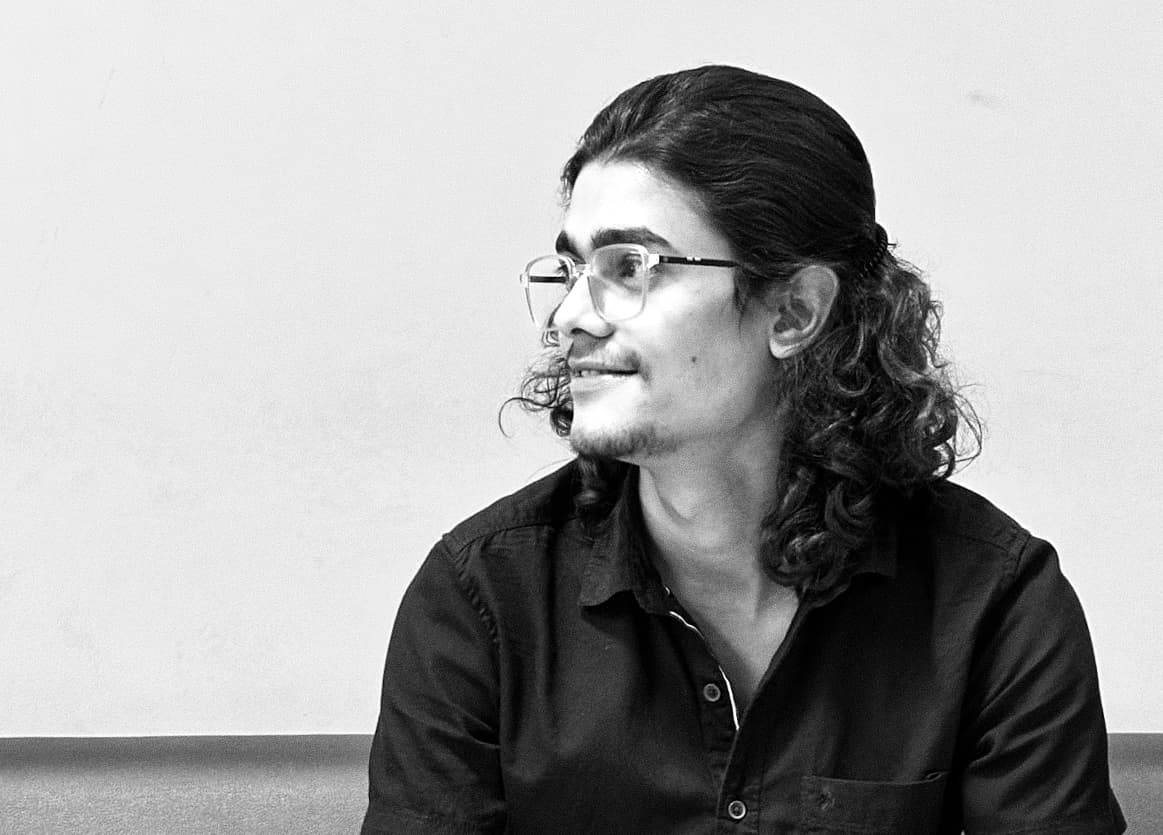
Mayank Sharma is a Principal Architect and Founder at PATHS: Office of Architectural Experiments.
He believes that “Architecture is an expression of experiences. It is a constructed field of relationships - between program, movement, material, light, and time. It operates between what is planned and what is lived. Between the drawing and the occupation. Between intention and adaptation.”
“It does not begin with form. It emerges from conditions: cultural, social, environmental, and spatial. A building, then, and its value is not in how it looks, but in how it frames experience, constructs behaviour, and alters perception over time.”